

The question “what is the oldest alcohol?” takes us on a journey back thousands of years to when ancient civilizations first discovered the magic of fermentation. Long before modern distilleries and wineries, our ancestors were crafting alcoholic beverages from honey, grains, and fruits found in their natural surroundings. These early drinks weren’t just refreshments—they were central to cultural context, religious ceremonies, and daily life across ancient cultures around the world.
Key Takeaways
- Mead (honey wine) is widely considered one of the world’s oldest alcoholic beverages, competing with ancient barley beer and grape wine for the title, with evidence dating back 7,000-10,000 years across multiple ancient civilizations.
- Ancient cultures worldwide independently discovered fermentation, creating alcoholic drinks from locally available ingredients like honey, cereal grains, grapes, and other fruits—proving that the desire to create fermented beverages is a universal human story.
- Alcohol played crucial roles beyond refreshment in ancient times, serving as offerings in religious ceremonies, symbols of status and wealth, dietary staples safer than water, and bridges to the divine in cultures from ancient Egypt to ancient Greece.
- Modern mead making connects us directly to our ancestors, using the same basic ingredients and fermentation principles that sustained ancient civilizations, while benefiting from today’s scientific knowledge and quality control.
Experience the Legend for Yourself
The story of alcohol is ultimately a story about human ingenuity, culture, and connection to the natural world. From ancient Egyptians raising vessels of beer to the gods, to Vikings celebrating victories with drinking horns full of mead, to modern enthusiasts rediscovering this timeless craft—the thread of tradition runs unbroken.
At Hidden Legend Winery, we’re honored to be part of this living history. Every bottle we craft in the mountains of Montana carries forward a tradition that spans millennia. Whether you’re drawn to the pure simplicity of our traditional honey mead or the bold flavors of our fruit-infused varieties, you’re tasting a piece of human history that connects you to ancient times.
Ready to experience the world’s oldest alcoholic beverage for yourself? Explore our collection of award-winning meads and discover why this ancient drink continues to captivate people thousands of years after it was first created.
The Ancient Origins of Alcoholic Beverages
The story of alcohol begins with a simple, naturally occurring process: fermentation. When fermentable sugars from honey, fruits, or cereal grains meet wild yeast in the right conditions, something remarkable happens. The yeast consumes the sugars and produces alcohol, creating the world’s first alcoholic drinks without any human intervention.
Archaeological sites across the globe have revealed that ancient civilizations discovered this process independently, each developing their own fermented beverages based on locally available ingredients. From the vast majority of evidence we’ve gathered, it’s clear that alcohol production played a significant role in shaping human society.
How Fermentation Was Discovered
The earliest evidence suggests that fermentation was likely discovered by accident. Imagine ancient times when someone left a mixture of honey and water, grape products, or mashed cereal grains sitting too long. Natural fermentation would have occurred, and the curious taste—along with the pleasant effects—led our ancestors to intentionally recreate the process.
Chemical analysis of residues found in ancient pottery has given us remarkable insights into what these early alcoholic beverages contained. Scientists examining a yellowish residue from ancient vessels have identified traces of honey, fruits, and grains, painting a picture of sophisticated brewing and winemaking practices that date back millennia.
What Is the World’s Oldest Alcoholic Beverage?
Determining the oldest alcoholic beverage is a fascinating puzzle that archaeologists and historians continue to piece together. While several ancient drinks compete for the title of “world’s oldest alcoholic beverage,” the answer depends on what archaeological evidence we’re examining and where we’re looking.
Ancient Egypt, ancient Persia, ancient Greece, and regions throughout the Middle East have all yielded evidence of early alcohol production. Each ancient civilization developed its own signature drink, from the barley beer of Mesopotamia to the grape wine of Georgia.
Mead: The World’s Oldest Alcoholic Drink
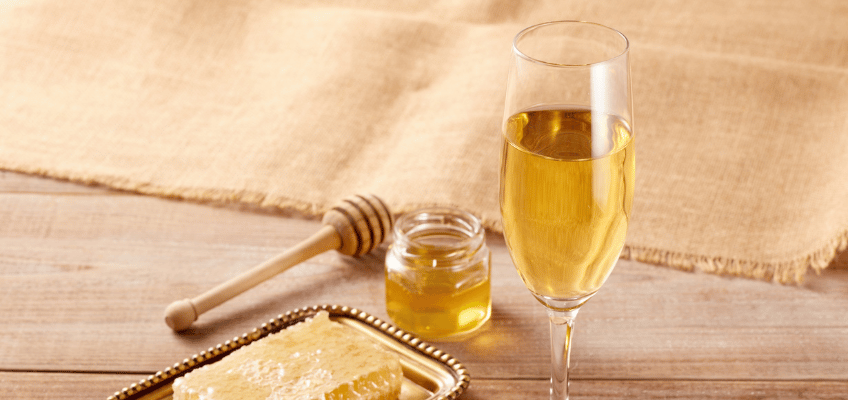
Many experts consider mead—also known as honey wine—to be among the very oldest alcoholic drinks known to humanity. This fermented beverage is created by fermenting pure honey with water, and it predates both beer and wine in many regions. The simplicity of mead production meant that as long as bees were producing honey and humans were collecting it, the possibility for mead making existed.
Drinking mead was common across ancient cultures, from the Vikings of Scandinavia to warriors in ancient Persia. The drink held a special place in legend and lore, often associated with gods, celebration, and vitality. The naturally occurring sweetness of honey made it an ideal ingredient for early mead makers who understood the art of fermentation long before the science behind it was known.
At Hidden Legend Winery, we honor this ancient tradition by crafting award-winning meads that connect modern drinkers to this timeless beverage. If you want to learn more about what mead is and why it has captivated humans for thousands of years, you’ll discover that the appeal of this honey wine transcends time.
Barley Beer and Ancient Brewing
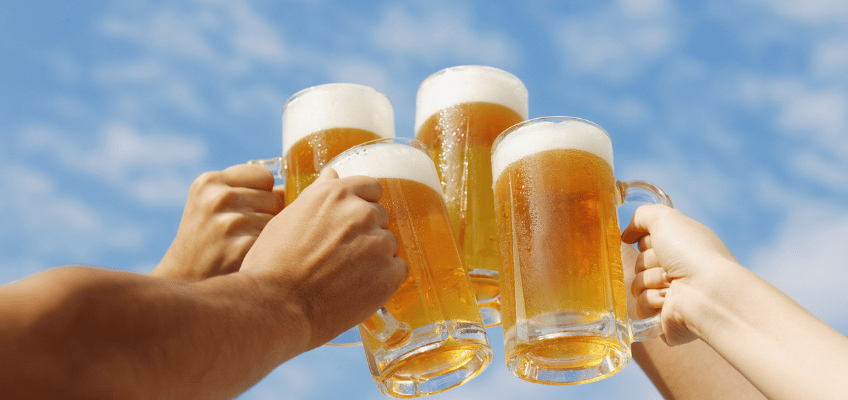
While mead may hold the title in some regions, barley beer is another strong contender for the world’s oldest alcoholic drink. Ancient Egyptians were prolific beer brewers, and archaeological evidence shows that beer was a staple in their daily diet. Workers building the pyramids received beer rations, and the drink was so important that it featured prominently in religious ceremonies.
In the Middle East, particularly in Mesopotamia, barley beer was being produced as early as 7,000 BCE. Ancient civilizations in this region developed sophisticated brewing techniques, fermenting barley and other cereal grains to create nutritious and mildly alcoholic beverages that were safer to drink than water.
The Sumerian goddess Ninkasi was even worshipped as the deity of beer, with hymns dedicated to her that doubled as brewing recipes—a testament to how central this alcoholic drink was to ancient life.
Grape Wine and Ancient Winemaking
Grape wine has its own ancient pedigree, with some of the earliest evidence coming from Georgian wine production dating back approximately 8,000 years. Ancient wine was made by crushing grapes and allowing the juice to naturally ferment in large clay vessels called qvevri.
Making wine spread throughout ancient Greece, ancient Persia, and ancient Egypt, where it became associated with wealth and religious significance. The tomb of Scorpion I, an ancient Egyptian ruler, contained wine jars that are among the oldest wine evidence discovered, dating to around 3150 BCE.
Ancient winemaking wasn’t limited to grape wine alone. Ancient cultures experimented with other fruits to create various types of wine, adapting their techniques to whatever grew abundantly in their regions. This spirit of experimentation mirrors what we do today at our winery in Montana, where we infuse our meads with local ingredients like huckleberries and chokecherries.
Chinese Fermented Beverage Discoveries
In Henan Province, China, archaeologists made a remarkable discovery at a Neolithic village that pushed back the timeline for fermented beverages in Asia. Chemical analysis of pottery shards revealed residues from a Chinese fermented beverage made around 7000 BCE—making it one of the oldest known examples of intentional alcohol production.
This ancient drink was a complex mixture containing rice, honey, hawthorn fruit, and grapes. Unlike the single-ingredient beverages of other regions, this Chinese fermented beverage showcased a sophisticated understanding of blending different fermentable sugars and flavors.
The discovery in Henan Province demonstrates that humans across the world were independently developing alcohol production techniques, each adapting to their local ingredients and tastes. The use of hawthorn fruit and cereal grains in combination shows an experimental approach that ancient cultures took to create unique alcoholic drinks.
Other Ancient Alcoholic Drinks From Around the World
The history of alcohol isn’t confined to the Mediterranean and Asia. In South America, particularly in the Andes region, indigenous peoples were fermenting beverages from corn and other locally available ingredients. These drinks played important roles in social and ceremonial life.
Cacao wine, made from the fermented pulp surrounding cacao beans, was consumed by ancient cultures in Mesoamerica. This naturally fermented drink appeared long before chocolate as we know it became popular. Archaeological evidence suggests cacao wine was enjoyed as early as 1400 BCE.
Sugar cane was also used to create fermented beverages in various tropical regions, though these drinks came later in the timeline of alcohol production. Tree resins were added to some ancient wines to improve flavor and preservation—a practice documented in ancient Greece and the Middle East.
Herbal wines, made by infusing various plants and spices into fermented honey or grape bases, were popular across ancient civilizations. These weren’t just enjoyed for their taste; many were believed to have medicinal properties.
It’s worth noting that distilled spirits and aged spirits came much later in human history. While fermented beverages like beer, wine, and mead date back 7,000-10,000 years, distillation techniques weren’t developed until around 800-900 CE, making spirits relative newcomers to the world of alcohol.
The Cultural Significance of Ancient Alcohol
Alcoholic beverages in ancient times were far more than just drinks—they were woven into the fabric of society, spirituality, and daily life. Religious ceremonies across ancient cultures frequently incorporated alcohol as offerings to gods or as sacraments consumed during rituals.
Ancient Egyptians believed that beer was a gift from the gods and used it in burial rites to sustain the deceased in the afterlife. Wine and beer were placed in tombs alongside other provisions, and the yellowish residue found in these ancient vessels tells us about the specific grape products and brewing ingredients used thousands of years ago.
The tomb of Scorpion I, one of the earliest Egyptian rulers, contained hundreds of wine jars imported from the Levant, demonstrating that wine was a status symbol reserved for royalty and special occasions. The presence of wine in such an important burial site shows how deeply alcohol was connected to belief systems and the afterlife.
The Sumerian goddess Ninkasi wasn’t the only deity associated with alcohol. Across ancient cultures, various gods and goddesses were linked to fermentation, harvest, and celebration. These connections elevated alcohol beyond mere consumption—it became a bridge between the mortal and divine realms.
In ancient Greece, symposia were social gatherings where wine flowed freely and philosophical discussions flourished. The cultural context of these events shaped Greek society and intellectual thought, proving that alcohol’s influence extended into education and politics.
From Ancient Times to Modern Mead Making
The journey from ancient fermented beverages to modern mead production is a story of tradition meeting innovation. While the basic principles of mead making haven’t changed—you still need honey, water, and yeast—today’s mead makers benefit from scientific understanding and quality control that ancient cultures could only dream of.
The vast majority of naturally occurring ingredients that ancient peoples used are still available today. At Hidden Legend Winery, we’re inspired by the same natural abundance that sustained our ancestors. The pure Montana honey we use and the wild fruits we harvest from the Rocky Mountains connect us directly to the ancient tradition of using what nature provides.
If you’re curious about the untold history of making mead, you’ll find that this ancient craft has evolved while maintaining its essential character. The difference between honey wine and mead is actually non-existent—they’re simply different names for the same legendary drink.
Modern mead makers have the advantage of temperature control, sanitization, and yeast selection, allowing us to create consistent, high-quality products. Yet the soul of mead remains unchanged. When you discover the three stages of mead making, you’re learning the same fundamental process that ancient civilizations mastered thousands of years ago.
At our winery in Victor, Montana, we take pride in recreating ancient mead with a modern twist. Our founder Ken’s fascination with this ancient beverage began with a school science project and grew into a lifelong passion. Every bottle we produce carries forward a tradition that spans millennia, connecting today’s mead drinkers to ancient cultures who first discovered the magic of fermented honey.
Whether you’re new to mead or a longtime enthusiast, understanding how to drink mead properly helps you appreciate this timeless beverage. From serving temperature to food pairings, the experience of enjoying mead today can be just as rich and meaningful as it was in ancient times.

Frequently Asked Questions
What is the oldest known alcohol in the world?
The world’s oldest known alcohol is believed to be either mead or a mixed fermented beverage discovered in China dating to around 7000 BCE. An archaeological site in a Neolithic mudbrick building revealed evidence of this ancient drink, which combined rice, honey, fruit, and other ingredients. Both mead and early beers from the Middle East compete for this ancient title, with the exact answer depending on which archaeological evidence you prioritize and how you define “oldest.”
Is beer or wine older than mead?
This is a topic of ongoing debate among historians. While mead is often called the oldest, barley beer from ancient Mesopotamia and ancient Egypt dates back nearly as far, to around 7,000 BCE. White wine and other grape wines from ancient Georgia have been dated to approximately 6000 BCE. The truth is that these drinks likely developed around the same time in different regions, with each ancient civilization creating alcoholic beverages from whatever ingredients were abundant in their area—honey for mead, grains for beer, and grapes for wine.
Did ancient civilizations really drink alcohol regularly?
Yes, ancient civilizations consumed alcohol regularly, often daily. In ancient Egypt, beer was a dietary staple consumed by everyone from pharaohs to laborers. Ancient Greece celebrated wine as central to their culture, while ancient Persia and other cultures throughout the early days of civilization incorporated various alcoholic drinks into their routines. Alcohol was often safer to drink than water and provided calories and nutrients. It wasn’t just about getting a drink—it was a practical, social, and spiritual necessity.
What was the first distilled spirit?
Distilled spirits came much later than fermented beverages. While fermentation dates back 7,000-10,000 years, distillation wasn’t developed until around 800-900 CE. The earliest distilled spirit was likely created in the Middle East or China, though the exact origin is disputed. These aged spirits required advanced equipment and knowledge compared to the simple fermentation process that produced mead, beer, and wine. Distillation represented a major technological advance in alcohol production.
How did ancient people discover fermentation?
The discovery of fermentation was almost certainly accidental. When fermentable sugars from honey, fruits, or cereal grains were left exposed to naturally occurring yeasts in the air, fermentation would begin on its own. An ancient person might have tasted the resulting alcoholic drink and found the effects pleasant. Over time, through trial and error, ancient cultures learned to control and repeat the process, leading to intentional mead production, beer brewing, and winemaking. Natural fermentation is a testament to human curiosity and observation.
Can I taste what ancient mead was like?
While we can’t recreate ancient mead exactly, modern mead makers craft versions inspired by historical recipes and archaeological findings. At Hidden Legend Winery, we use traditional methods combined with pure Montana honey to create meads that honor this ancient tradition. Though ancient meads varied widely—some sweet, some dry, some spiced with herbs—the fundamental character of honey fermented with water remains timeless. Trying craft mead today gives you a genuine connection to what our ancestors enjoyed thousands of years ago, even if the exact flavors have evolved.