
The yeast you choose has a major impact on how your mead tastes, smells, and finishes. Different yeast strains influence sweetness, dryness, clarity, and alcohol level, so selecting the right one is key to producing the style you want. Understanding yeast characteristics makes it easier to create a well-balanced and flavorful mead.
Picking the right yeast for mead can feel tricky. Different yeasts bring out different flavors, sweetness levels, and alcohol strength. This guide will help you find the best yeast for your mead-making needs.
Keep reading, and you’ll discover which yeast fits your style!
Key Takeaways
- Lalvin D-47 yeast is best for balanced meads with rich flavors and moderate sweetness. It works at 59–68°F and has a 14% alcohol limit.
- Use Lalvin EC-1118 for strong, dry meads. It handles up to 18% alcohol and ferments fast but may reduce honey’s flavor.
- Lalvin 71B-1122 is ideal for sweet mead, leaving natural sugars behind while boosting fruity notes. Its alcohol tolerance is 14%.
- Red Star Premier Cuvée works great in traditional mead due to its clean fermentation and high alcohol tolerance (up to 18%).
- Managing temperature (60–75°F) and adding nutrients like Fermaid K helps yeast ferment smoothly without stopping early.
What to Look for When Choosing Mead Yeast
Choosing the right yeast can change your mead completely. The type of yeast affects how it tastes, smells, and ferments.
Alcohol tolerance
Some yeast can handle more alcohol than others. Alcohol tolerance is the maximum level of alcohol a yeast strain can survive in during fermentation. For mead making, this matters because honey has a lot of sugar that turns into alcohol.
Champagne yeast like Lalvin EC-1118 has high alcohol tolerance, often up to 18%. It works well for high gravity meads or dry meads. Bread yeast, on the other hand, typically stops around 6%, which might leave you with stuck fermentation and too much residual sweetness.
Fermentation speed
Fermentation speed affects how fast your mead will be ready to drink. Fast-fermenting yeast can finish in a few weeks, while slower types may take months. Lalvin D-47 works well for balanced meads and has moderate speed.
Lalvin EC-1118 is a quick fermenter and handles tough conditions.
Slower yeasts like Red Star Premier Cuvée give you more control over flavors. They work best if you want richer notes or layers in traditional mead. Always watch the temperature to keep fermentation steady for any yeast type.
Flavor profile contribution
Yeast plays a big part in shaping mead’s flavor. It works with honey and other ingredients, like chokecherries or huckleberries, to create unique tastes. Some yeast adds fruity tones, while others bring out floral notes.
Painted Rocks Meadery uses yeast that reflects Scandinavian traditions for complex flavors. Hidden Legend Winery captures Montana’s wilderness in their honey wines using local natural flavors and specific yeast choices.
The right yeast can make your mead sweet, dry, or even taste more like the flowers it comes from.
Residual sweetness
Residual sweetness affects the flavor of mead. Some yeasts leave more sugar behind, creating sweeter drinks. Others consume almost all the sugar, resulting in dry mead.
Lalvin 71B-1122 is great for sweet mead. It preserves some sugars while adding fruity notes. To limit residual sweetness, balance it by using less honey or a yeast with high alcohol tolerance like Lalvin EC-1118.
Best All-Purpose Mead Yeast: Lalvin D-47
Lalvin D-47 brings rich flavors and balances sweetness, making it a top pick for many mead makers.
Features & Description (Lalvin D-47)
This yeast works well for mead, especially when you want rich flavors. It creates smooth and balanced drinks with hints of citrus and spice. You can expect clean fermentation and a professional finish.
It thrives in moderate temperatures, around 59–68°F, giving predictable results. Its alcohol tolerance is up to 14%, making it great for medium-strength meads. This yeast helps retain some sweetness without overpowering the honey flavor.
Perfect if you use more honey or want less sugar taste!
Pros & Cons (Lalvin D-47)
Lalvin D-47 creates smooth mead with a clean flavor. It works well for both traditional and fruity meads. Its medium fermentation speed helps avoid strong off-flavors, making it great for beginners.
It has low alcohol tolerance, only reaching up to 14%. This yeast needs steady temperature control between 59°F and 68°F. Warmer conditions may produce undesired flavors. It doesn’t handle high sugar levels as well as other types of yeast.
Best Yeast for Sweet Mead: Lalvin 71B-1122
Lalvin 71B-1122 brings a gentle touch of sweetness to your mead, making it an excellent choice for dessert-style brews.
Features & Description (Lalvin 71B-1122)
This yeast is one of the best for making sweet mead. It ferments honey wines well and boosts aromatic flavors.
It often leaves some sweetness behind, perfect for sweet meads. It creates rich, complex tastes that add depth to your drink. This yeast works in different fermentation temperatures, giving you flexibility.
It also delivers consistent results every time you use it!
Pros & Cons (Lalvin 71B-1122)
Lalvin 71B-1122 works well for sweet meads. It keeps some of the natural sugars, leaving a smooth, sweet taste. It also helps reduce sharp acids, making the flavors softer. This yeast is great if you like fruity or floral notes in your mead.
It has limits too. Its alcohol tolerance is about 14%, which might not suit stronger meads. Fermentation can be slower compared to other yeasts. You’ll need to manage nutrients carefully for best results with this one.
Best High-Alcohol Mead Yeast: Lalvin EC-1118
Lalvin EC-1118 is perfect for creating strong meads with a clean finish, making it ideal for bold recipes.
Features & Description (Lalvin EC-1118)
This yeast handles high alcohol levels, making it great for mead lovers. It ferments honey fully and works well in different conditions.
It creates clean flavors in the final drink, which is ideal for crisp meads. Home winemakers trust its reliability to complete fermentation with ease.
Pros & Cons (Lalvin EC-1118)
Lalvin EC-1118 works well for high-alcohol mead. It can handle up to 18% ABV and ferments quickly. This yeast is strong, making it perfect for drier meads or when you want less residual sweetness.
On the downside, it may strip some flavors from your honey. If you’re aiming for fruity or floral notes, this might not be the best bet. Also, using potassium sorbate helps stop fermentation if needed with this aggressive yeast strain.
Best Yeast for Fruity or Floral Mead Profiles: Lalvin K1-V1116
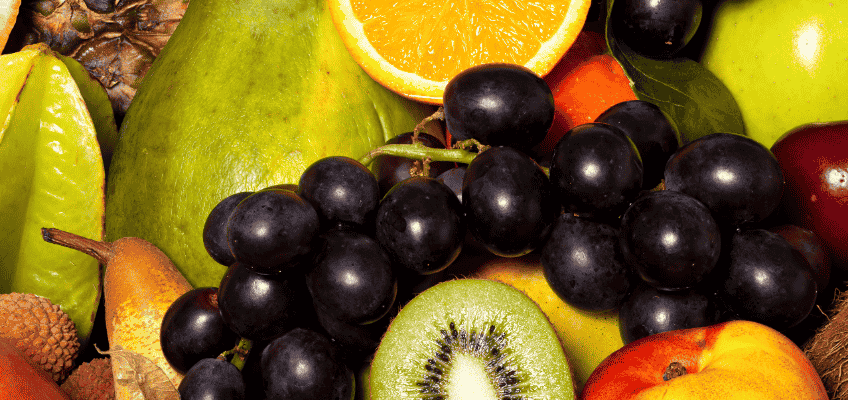
Lalvin K1-V1116 brings out bright fruity and floral flavors, perfect for a refreshing mead—keep reading to learn why it’s a top choice!
Features & Description (Lalvin K1-V1116)
This yeast enhances fruity and floral flavors, making it perfect for mead with rich aromas. It boosts complexity and creates a smooth taste.
Known for strong fermentation power, it works well in many types of meads. It holds onto flavor during brewing, giving consistent results every time.
Pros & Cons (Lalvin K1-V1116)
Lalvin K1-V1116 creates fruity and floral mead. It enhances flavors of fruits like apples or pears. Its fermentation speed is steady, reducing the risk of stuck fermentations. High alcohol tolerance allows it to handle stronger meads.
It can strip delicate flavors if fermented at high temperatures. Residual sweetness might be less pronounced, which may not suit certain styles. Managing temperature well is key for balanced results with this yeast.
Best Yeast for Classic Traditional Mead: Red Star Premier Cuvée
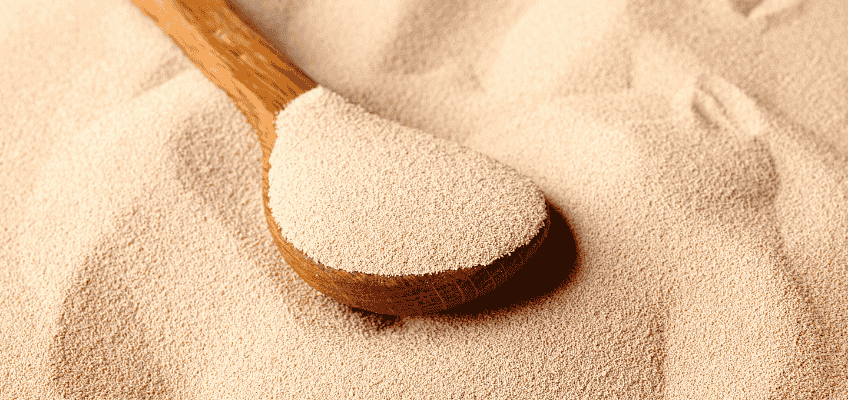
Red Star Premier Cuvée offers clean fermentation and works well for classic mead flavors, making it a solid choice to explore.
Features & Description (Red Star Premier Cuvée)
This yeast is excellent for making traditional mead. It works well with different kinds of honey and creates high-quality results.
It provides a clean, neutral flavor. This lets the natural taste of the honey stand out. With its high alcohol tolerance, it handles strong meads easily. It ferments fast, saving time while still being effective.
Homebrewers and pros trust it for reliable performance every time.
Pros & Cons (Red Star Premier Cuvée)
Red Star Premier Cuvée works well for traditional mead. It ferments fast and clean, leaving no odd flavors behind. Its high alcohol tolerance of up to 18% makes it great for stronger meads.
On the downside, it may strip some delicate honey flavors. This yeast can also dry out your mead more than desired, which might not suit sweeter recipes. Careful monitoring is needed to balance its strong fermentation power.
Pro Tips for Successful Mead Fermentation and Flavor Development
Keep your mead at the right temperature and use nutrients to help fermentation go smoothly.
Temperature control
Control the temperature to ensure smooth fermentation. Mead yeast works best in a specific range, usually between 60°F and 75°F. Too hot, and the yeast may create strange flavors or stop working altogether.
A steady temperature is key for good results. Avoid placing your mead near windows, heaters, or cold drafts. Using a thermometer helps monitor the conditions easily. A stable climate lets your chosen yeast shine in creating perfect flavor profiles like fruity or floral notes.
Proper nutrient additions
Yeast needs food to work well. Mead lacks some important nutrients for yeast, so extra help is key. This includes adding yeast nutrient or energizer during fermentation. Without it, the process may slow down or stop early.
A mix of honey and water doesn’t have enough nitrogen for yeast. Adding nutrients gives them what they need to stay strong. Fermaid K and DAP are popular options. Use small amounts spread out in stages for best results.
This helps create a smoother mead with fewer off-flavors!
Final Thoughts on Selecting the Right Mead Yeast
Choosing the right yeast makes a big difference in your mead. Each type brings its own flavor, sweetness, or strength to the drink. Whether you want sweet notes or high alcohol content, there’s a perfect match for your needs.
Experimenting with these yeasts can help you discover new flavors. Start brewing and enjoy creating something unique!
Mead Yeast FAQs
What is the best yeast for mead?
The best yeast for mead depends on your flavor goals. Red Star Premier Cuvee is a popular choice because it ferments quickly and leaves a clean taste.
Can I use ginger ale flavors in my mead?
Yes, you can! Adding ginger or using ingredients inspired by ginger ale gives your mead a spicy, refreshing twist.
Are there different types of yeast for making mead?
Yes, there are many types of yeast for making mead. Each type affects the alcohol level, sweetness, and overall flavor differently.
Why do people recommend Red Star Premier Cuvee for beginners?
Red Star Premier Cuvee is easy to use and works well with all kinds of recipes. It’s reliable and produces consistent results every time!